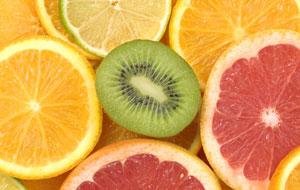
Did you know that the body is not able to make vitamin C on its own? That’s why it’s important to include vitamin C-rich . . .
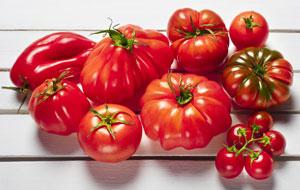
Lycopene-Rich Tomatoes
When it comes to foods rich with antioxidants, the tomato is one leader in the good health category. Tomatoes are chock-full of lycopene: the . . .
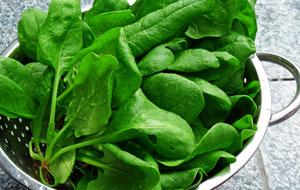
Eat Your Spinach!
This bright green leafy vegetable is a nutrient powerhouse. Spinach is an excellent source of calcium, folate, iron, magnesium, manganese, potassium, tryptophan, and vitamins . . .
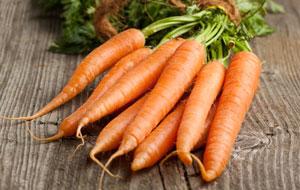
Carrots: A Rich Source of Beta Carotene
A relative of parsnips, carrots offer great phytonutrient antioxidant benefits including carotenoids, hydroxycinnamic acids, and anthocyanindins. Orange carrots, the most popular, offer a rich . . .
Salmon: A Heart-Healthy Supper
Salmon is known for its rich source of omega-3 fatty acids. Omega-3 fatty acids include fish oil, and fish oil contains eicosapentaenoic acid (EPA) . . .
Produce Color
Produce that share color often share health benefits. Learn about eating by color!
Summertime is here! Along with warm weather and long lazy days spent on the patio, you can plan on enjoying plenty of fresh, delicious summer produce. With new varieties of fruits and vegetables coming in and out of season almost every week, be sure you don't miss any of these special summer treats. You won't see them fresh again until next year!
 >
>